
REGIONAL NEWS
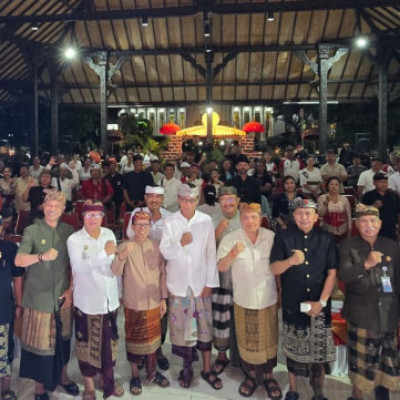
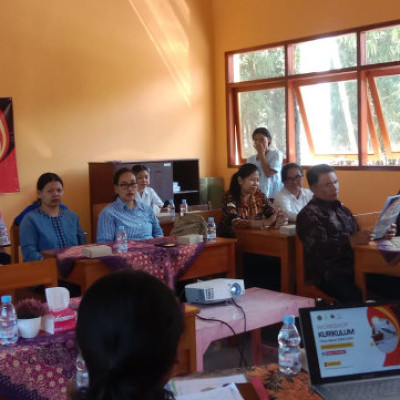
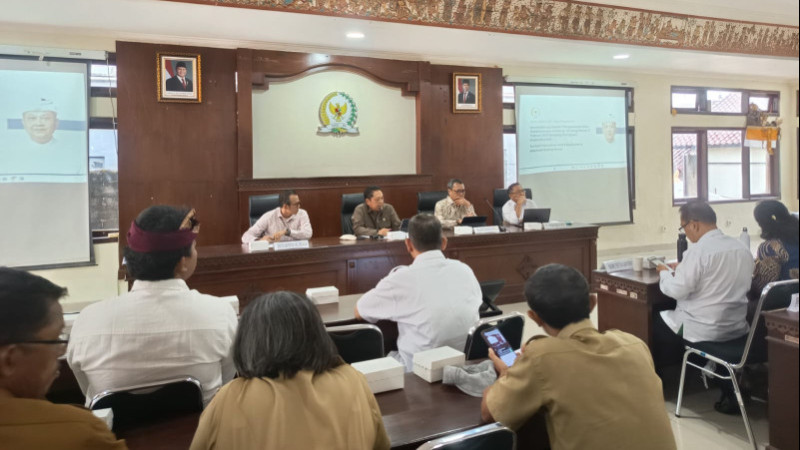
The sustainability of the Subak (Balinese irrigation) system as a world cultural heritage once again became the focus of discussion during a forum titled “Kemajuan Kebudayaan Nusantara dan Tantangan Konservasi Ekologis (Subak) di Bali” held in Denpasar on Monday. The forum was attended by the Head of Hindu Religious Affairs of the Regional Office of the Ministry of Religious Affairs of Bali Province, I Wayan Diadnyana, alongside Senator Rai Mantra, the Rector of Universitas Hindu Indonesia, representatives from the Bali Provincial Culture Office, the Culture Offices of Badung Regency, Tabanan Regency, and Gianyar Regency, as well as the Head of the Bali Regional Office of BRIN. The forum was aimed to discuss the challenges of preserving culture and the environment amid rapid development.
During the forum discussion, participants highlighted culture as a fundamental pillar of national development with strategic value, both in terms of national identity and strengthening public welfare. Culture was viewed not merely as a legacy of the past, but also as a social asset capable of supporting sustainable development and the growth of the creative economy.
The discussion then focused on the current condition of the Subak system in Bali, which is facing serious pressure due to land conversion, changes in spatial planning, and declining environmental quality and water resources. These conditions are considered a threat to the sustainability of the traditional irrigation system that has long been an inseparable part of Balinese society.
I Wayan Diadnyana emphasized that protecting the Subak system cannot rely solely on a cultural approach, but must also include serious attention to the welfare of farmers as the primary guardians of the ecosystem.
“Subak is not merely an agricultural irrigation system, but a legacy of values that reflects spirituality, mutual cooperation, and the balance between Balinese society and nature. Therefore, preserving it requires shared responsibility,” he stated.
He explained that the existence of Subak plays an essential role in maintaining harmony between humanity, nature, and Balinese culture. Therefore, concrete measures are needed to ensure that ongoing development does not sacrifice living spaces and environmental sustainability.
In addition to ecological challenges, the forum also highlighted the need to strengthen regulations capable of protecting Subak areas from development pressures. Support from research and innovation institutions was considered important to reinforce conservation efforts while preserving Subak’s role in supporting food security and safeguarding Bali’s cultural identity.
As a result of the discussion, participants encouraged the synchronization of regulations between the Law on Cultural Advancement, Government Regulation No. 87 of 2021, and regional spatial planning policies in Bali to curb the rapid conversion of agricultural land. Ensuring a fairer distribution of economic benefits from the tourism sector also emerged as a key concern so that farmers receive more equitable support in preserving this cultural heritage.
The discussion concluded with a shared commitment to strengthen cross-sector collaboration in preserving culture, the environment, and the sustainability of the Subak system. These efforts were considered essential to ensure that Subak, as a symbol of Balinese local wisdom, remains sustainable and continues to be passed down across generations as part of Bali’s identity and noble heritage.
Editor : I Made Juni Saputra
Photographer : I Gede Dipayana
COntributed and Translated by Muhammad Mahmud Alhushori