
DHARMA WACANA
Viewed from the perspective of Hindu teachings, cleanliness does not merely refer to physical cleanliness, but also purity of thought, speech, and action. Cleanliness is part of sacred purity known as Śauca (Sauca), one of the noble virtues that every Hindu is encouraged to cultivate.
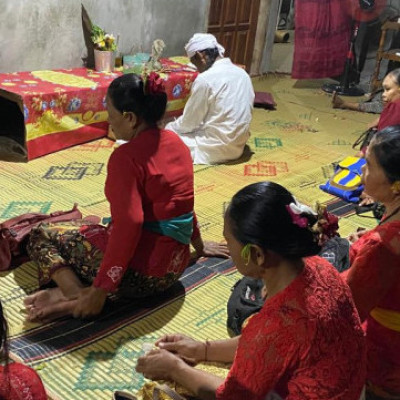
Hindus prepare themselves to draw closer to Ida Sang Hyang Widhi Wasa through cleanliness, therefore, before entering Pura, devotees are encouraged to cleanse their bodies, wear clean and appropriate attire, and maintain purity of mind.
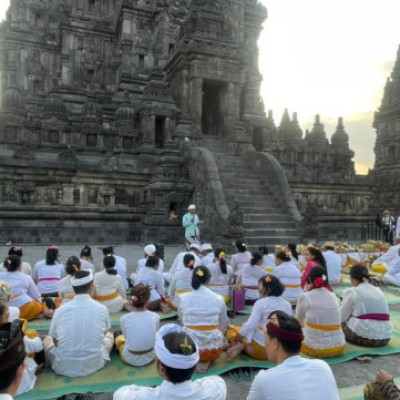
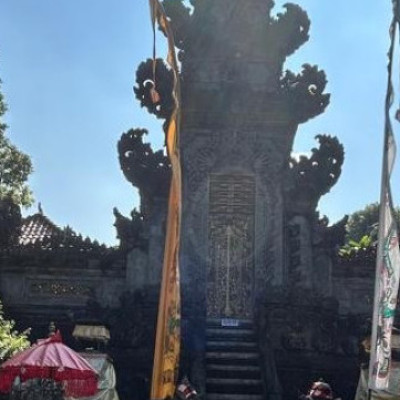
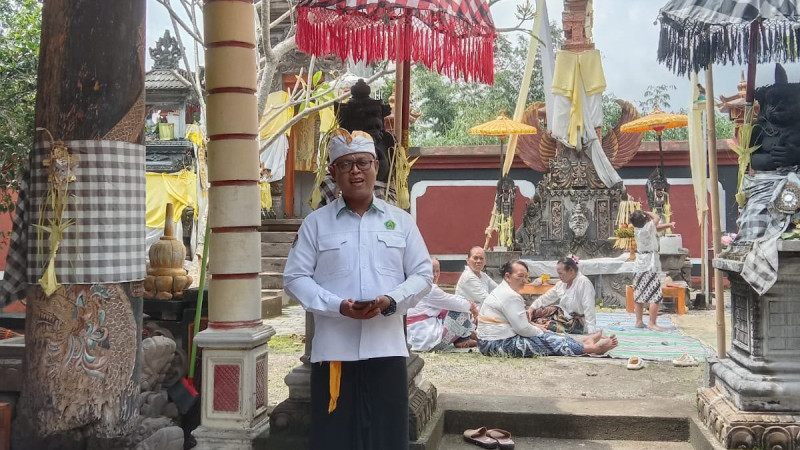
Pura is a sacred place for Hindus to worship and strengthen their connection with God. As a sacred place, its cleanliness must be preserved collectively.
The sacred scriptures mention “Śaucam” in the Bhagavad Gita, which signifies that cleanliness or purity is one of the primary qualities of a noble and virtuous person.
Therefore, maintaining the cleanliness of Pura is not merely a social activity but also a form of practicing dharma and expressing devotion to God.
Forms of Maintaining Cleanliness in Pura
1. Maintaining Personal Cleanliness
Before offering prayers, devotees should:
- Bathe or cleanse themselves beforehand
- Wear clean and neat traditional attire
- Maintain purity of mind and heart
- Avoid entering the Pura while intoxicated or behaving inappropriately
- Personal cleanliness reflects respect for God who resides in the Pura.
2. Avoid Littering
After prayer activities, flower remnants, plastic waste, drink bottles, or food wrappers are sometimes left around the Pura area.
As Hindus who are mindful of dharma, we should:
- Dispose of waste properly
- Reduce the use of single-use plastics
- Clean the area we have used before leaving
3. Working Together to Clean the Pura
The tradition of communal service, or ngayah, in cleaning the Pura is a noble form of devotion.
Through this activity, devotees learn the noble characters of:
- Togetherness
- Compassion and care
- Responsibility toward sacred spaces
Cleaning the Pura is not a lowly task; rather, it is a sacred service to Ida Sang Hyang Widhi Wasa.
4. Maintaining Facilities and Infrastructure of Pura
Cleanliness should not be limited to the Pura courtyard but should also include:
- Shrines (pelinggih)
- Pavilions (bale-bale)
- Storage areas for ceremonial equipment
- Bathrooms and water/tirta areas
- Parking areas and surrounding environments
All facilities should be maintained to ensure comfort and proper use for worshippers.
Cleanliness as an Implementation of Tri Hita Karana
Maintaining Pura cleanliness is a practical implementation of Tri Hita Karana, which consisting of:
1. Parhyangan
The harmonious relationship between humans and God.
Keeping the cleanliness of Pura as an implementation of respect and devotion to Ida Sang Hyang Widhi Wasa.
2. Pawongan
The harmonious relationship among human beings.
A clean Pura environment creates comfort for worship and strengthens communal bonds.
3. Palemahan
The harmonious relationship between humans and nature.
Avoiding litter and preserving the Pura environment reflects love and care for God’s creation.
Benefits of Maintaining Pura Cleanliness
The activities of Maintaining Pura Cleanliness give us benefits, covering:
- Creating a comfortable and solemn atmosphere for prayer
- Preserving the sanctity and dignity of the Pura
- Fostering a sense of responsibility among devotees
- Setting a positive example for younger generations
- Preventing disease and environmental damage
When a Pura is clean, worshippers feel peaceful, calm, and better able to focus during prayer.
Reflection for Hindus
Maintaining Pura cleanliness should not only happen before religious festivals or piodalan. Cleanliness must become a shared culture and collective awareness.
*Let us ask ourselves as self-reflection:
- Do I always dispose of waste properly at the Pura?
- Do I participate in Pura cleaning activities?
- Have I maintained purity of mind and heart when visiting the Pura?
If every devotee embraces this awareness, the Pura will always remain sacred, comfortable, and filled with peace.
Maintaining cleanliness in the Pura is not merely about cleaning the physical environment, but also an expression of devotion and the practice of Hindu teachings. Cleanliness is part of sacred purity, and purity is the path to drawing closer to Ida Sang Hyang Widhi Wasa.
Let us make cleanliness a way of life, beginning with ourselves, our families, and our Pura communities. In doing so, we help preserve the sanctity of our place of worship while embodying the values of Dharma in daily life.
Closing Sloka
“Manasa, Vaca, Karmana”
Think good thoughts, speak good words, and perform good deeds.
May we, through pure thoughts, respectful speech, and righteous actions, always receive guidance and blessings from Ida Sang Hyang Widhi Wasa.
Om Santih, Santih, Santih Om.
Written by Lilik Dwi Fajar Riyanto, S.Sos (Hindu Religious Counselor, Karanganyar Regency, Regional Office Ministry of Religious Affair)
Editor : I Made Juni Saputra
Translated by Muhammad Mahmud Alhushori