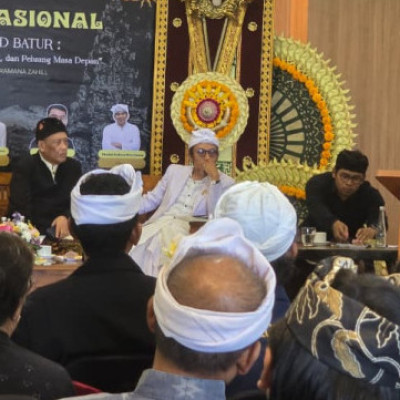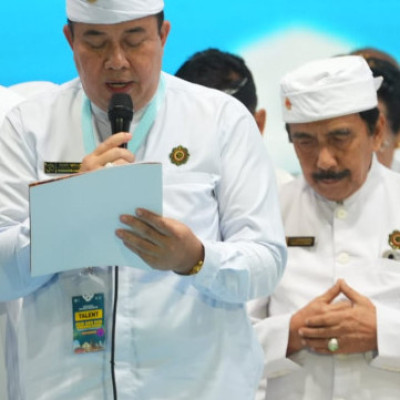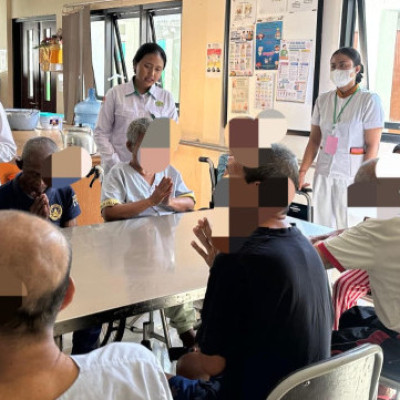

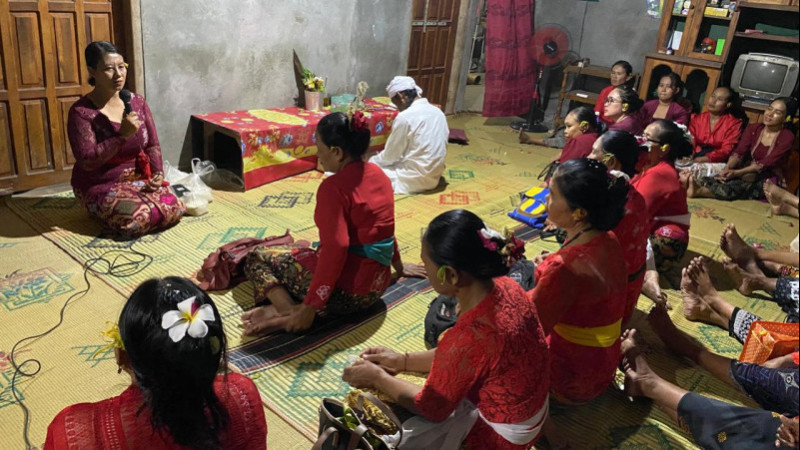
Women are far more than companions within the family—they are its central pillar, or Gahrani, whose wisdom, character, and guidance help shape future generations. This message formed the core of a religious guidance and counseling program organized by the Ministry of Religious Affairs Office in Tulang Bawang Barat Regency at Pesantian Widya Puspita in Tiyuh Murnijaya, Tumijajar District, on Friday.
Centered on the theme "Dharma Wanita in Viewed from Hindu Teachings," the program encouraged participants to explore the strategic role of women as Shakti—the embodiment of positive energy capable of nurturing harmonious families and contributing to the progress of society.
During the session, Hindu Religious Counselor Wulan explained that Dharma Wanita represents a woman's swadharma, or sacred duty. She emphasized the important responsibility of Hindu women in raising Suputra—children who are not only intellectually capable but also possess strong moral character and spiritual values.
“Hindu women play a central role in nurturing the nation's future generations. Through a proper understanding of Dharma Wanita, we hope that mothers in Tiyuh Murnijaya will be able to practice the values of Tat Twam Asi and Tri Hita Karana, beginning within the smallest yet most important institution—the family,” Wulan said.
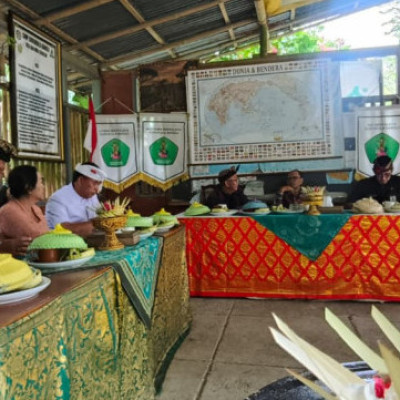
The program which was held in Pesantian Widya Puspita was delivered in an interactive learning forum rather than a one-way lecture. Participants actively engaged in discussions, sharing their experiences and perspectives on the challenges of practicing religious values amid the rapid flow of information and social change in the modern era.
The dialogue provided an opportunity for participants to exchange practical ideas on balancing daily responsibilities with the consistent practice of Hindu teachings. This initiative aligns with the vision of the Ministry of Religious Affairs Office in Tulang Bawang Barat Regency to strengthen the sraddha (faith) and bhakti (devotion) of Hindu communities at the village level.
Through continuous religious education, Hindu women in Tulang Bawang Barat are expected to become agents of positive change within their families and communities. Strong families founded upon religious understanding and ethical values are believed to make a significant contribution to fostering tolerance, social harmony, and peaceful coexistence among people of different faiths throughout the region.
The program concluded with a shared commitment among participants to uphold the noble values of Hinduism in their daily lives, transforming every household into a sacred space that radiates peace, compassion, and harmony to the wider community.
Editor : I Made Juni Saputra
Photographer : I Gede Dipayana
Contributed and translated by Muhammad Mahmud Alhushori