
REGIONAL NEWS
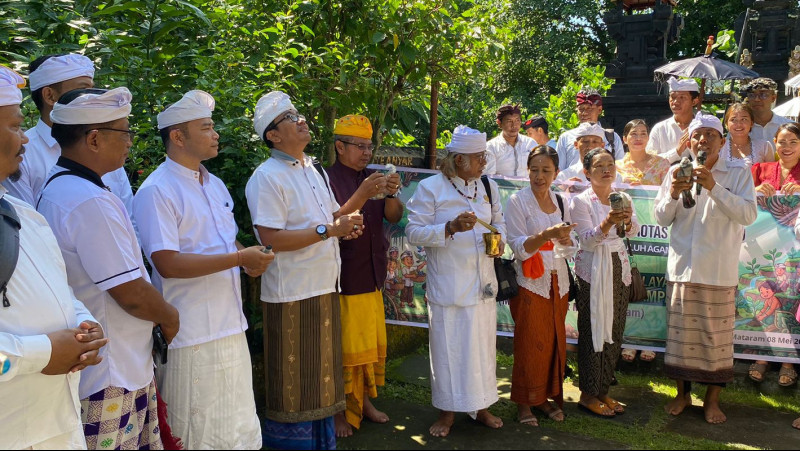
The blue sky of Lombok that morning was filled with prayers. Hundreds of birds soared freely from the hands of Hindu devotees, fish were released into the clear-flowing river, and tree seedlings were planted in fertile soil. Together, these acts formed a sacred series of rituals rich in meaning under the theme: “Kembali ke Alam” .
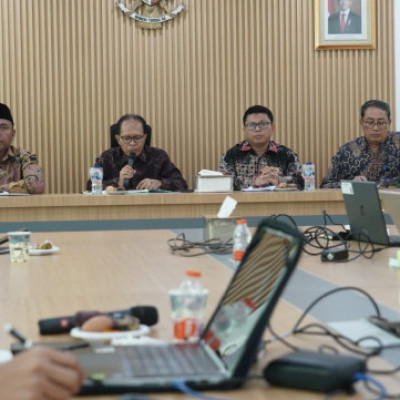
This meaningful initiative, organized by the Hindu Community Guidance Division (Bimas Hindu) of the Regional Office of the Ministry of Religious Affairs of West Nusa Tenggara, carried the spirit of mental and spiritual development. The activity began with a joint prayer ceremony followed directly by environmental conservation actions as a form of strengthening religious moderation and implementing the Bimas Asrofas Pemilu program, which emphasizes harmony and social relationship.
The Head of Hindu Religious Affairs at the Regional Office of the Ministry of Religious Affairs of West Nusa Tenggara stated that “This is not merely ceremonial. It is a message that Hinduism teaches Tri Hita Karana: harmonious relationships between humanity and God, fellow human beings, and the natural universe,”
“Kembali ke Alam” initiative centered on three deeply symbolic actions:
1. Releasing Birds: A Symbol of Air and a Reminder to Stay Down-to-Earth
Birds were released into the wild as symbols of the air element. Philosophically, the act teaches that no matter how high birds fly into the sky, they never forget the earth where they began and to which they eventually return.
“This serves as a reminder that no matter how high one’s position or achievements may be, we must never forget our roots and origins. We must remain down to earth,” explained one of the Hindu spiritual leaders leading the prayers.
2. Releasing Fish: Honoring Tirta, the Source of Life
Dozens of local fish were released into the river as an offering to the water element (tirta). Viewed from Hindu teachings, tirta symbolizes purification of both body and soul. Releasing fish represents preserving the cycle of life and safeguarding water resources for future generations.
3. Tree Planting: Investing in Oxygen for the Future
The planting of productive tree seedlings symbolized a concrete effort to support the “lungs of the world.” The trees were planted as prayers and hopes that future generations would continue to breathe fresh air and live in harmony with a sustainable environment.
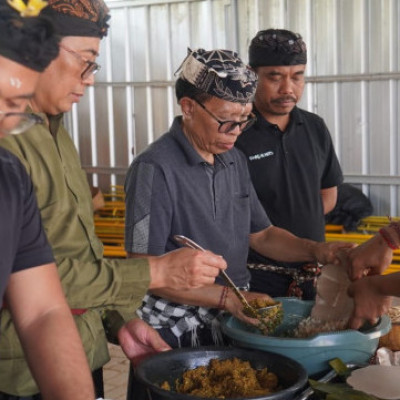
This environmentally conscious spirit was also reflected in the event’s dining arrangements, where food was served without plastic, instead using banana leaves and woven bamboo containers. This practice aligned with the educational message conveyed to the community that the essence of yadnya (sacred offerings) lies not in physical grandeur or luxurious ceremonial offerings, but in sincerity and wholehearted devotion.
“The essence of this movement is to invite us to reunite with nature. It is not only about loving fellow human beings regardless of ethnicity or religion, but also about loving animals, plants, and the entire universe. This is the true manifestation of religious moderation,” added a representative of Hindu Community Guidance.
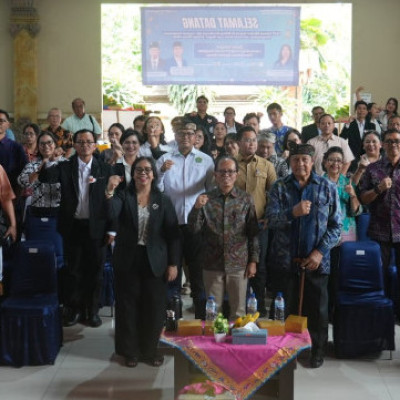
The concept of Vasudhaiva Kutumbakam — The World Is One Family — was truly brought to life throughout the event. In addition to environmental activities, the occasion also included an appreciation ceremony for retired employees in recognition of their dedication and service (dharma).
The event concluded with a collective prayer and a powerful message encouraging all communities to continue working hand in hand to build the nation in a spirit of compassion. Through this initiative, Hindu Community Guidance of West Nusa Tenggara demonstrated that protecting nature is an act of devotion, and loving all living beings is the pathway to genuine harmony.
Tri Hita Karana, Jagadhita.
From West Nusa Tenggara for a harmonious and sustainable Indonesia.
Editor : I Made Juni Saputra
Photographer : I Gusti Ngurah Sathya Dharma
Contributed and Translated by Muhammad Mahmud Alhushori